UPSC current affairs — NewsPulse
Daily UPSC current affairs auto-distilled from The Hindu and the Indian Express into syllabus-mapped concept cards with Prelims and Mains relevance.
Recent themes
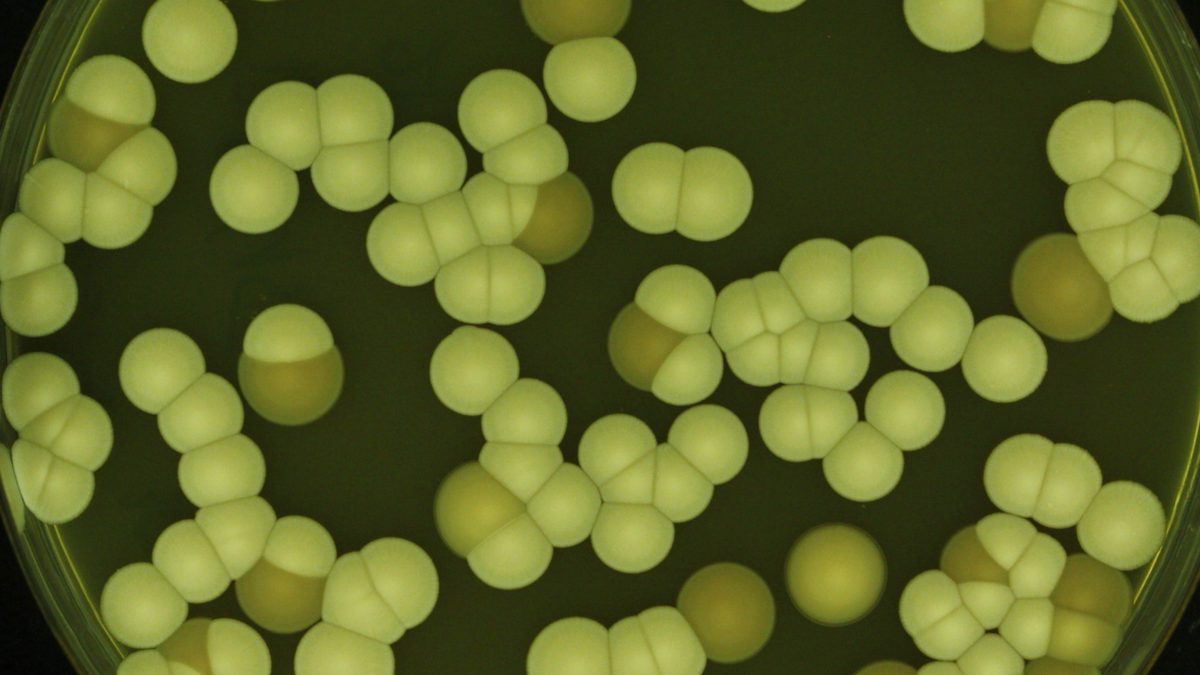
Emerging Fungal Pathogens and the Impact of Climate Change on Human Health
Recent research has highlighted the rise of fungal infections, particularly those caused by the multidrug-resistant pathogen Candida auris, which has a mortality rate of 30-40% among infected patients. This increase in pathogenicity is link…

Impact of Environmental Changes on Seismic Activity and Biological Evolution
Recent studies have revealed significant findings related to environmental changes and their impact on both seismic activity and biological evolution. North Korea's nuclear tests at Mt. Mantap have led to an increase in seismic activity, wi…

The Ethical Implications of AI in Bioweapons Development
On September 10, Anthropic, a U.S.-based AI company, published a report detailing its efforts to block the use of its Claude AI model for harmful activities in cybersecurity, surveillance, and biotechnology from December 2025 to August 2026…

Harnessing Rattlesnake Venom Resistance for Antivenom Development
Researchers at the University of Maryland have discovered that specific proteins from the western diamondback rattlesnake (Crotalus atrox) can neutralize the lethality of rattlesnake venom in mice, showing approximately ten times the potenc…

Water Resource Management for Lunar Colonization
A study by astronomers Martin Elvis and Jonathan McDowell has raised concerns about the sustainability of human settlements on the moon, estimating that even a billion tonnes of water would only support one million people for about a centur…

The Role of Biotechnology in India's Healthcare Sector
India's biotechnology sector is rapidly evolving, with the bioeconomy valued at USD 195.3 billion in 2025. The country is becoming a hub for healthcare biotechnology, focusing on biologics, biosimilars, genomics, and advanced medical techno…
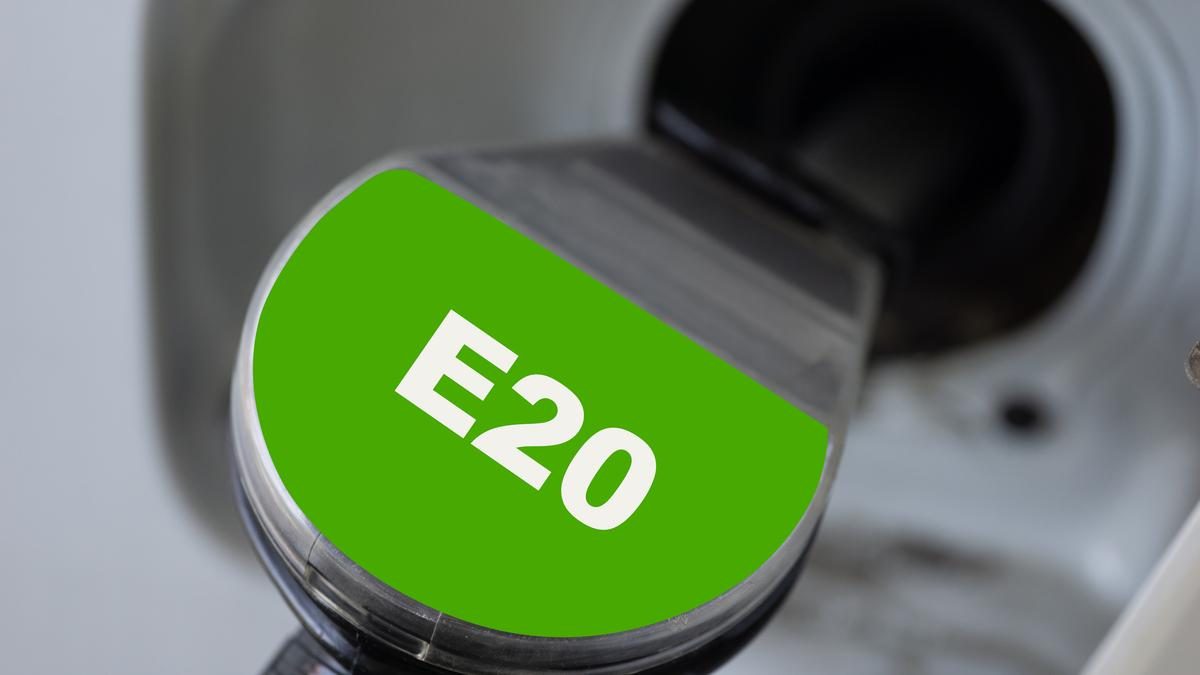
E20 Fuel Blend: Economic Implications and Consumer Impact
India introduced E20 petrol, consisting of 20% ethanol and 80% gasoline, on February 6, 2023, through public sector oil marketing companies. The government claims that E20 will lead to consumer savings, lower carbon emissions, and foreign e…

Complexities of UPI MDR Charges: Balancing Politics and Economics
The recent announcement of Merchant Discount Rate (MDR) charges for UPI transactions illustrates how political considerations can complicate economic benefits. While the government aims to mitigate political backlash, the resulting complexi…

Enhancing Fiscal Capacity through Efficient Revenue Collection
A Kearney report on Tamil Nadu's fiscal situation highlights a revenue deficit of ₹78,324 crore and an outstanding debt exceeding ₹10 lakh crore. The report suggests that improving revenue collection efficiency could potentially add over ₹1…

The New Battlefield: Understanding the Implications of U.S. On-Orbit Space Control Weapons
The deployment of on-orbit space control weapons by the U.S. raises significant concerns regarding the militarization of space and the inadequacy of existing international laws to govern such developments. As space becomes a critical infras…
Navigating the New Energy Crisis: Beyond Crude Oil Shortages
The ongoing energy crisis, exacerbated by conflicts in West Asia and the Russia-Ukraine war, is shifting focus from crude oil shortages to critical refined products like diesel, jet fuel, and sulphur. This shift poses significant challenges…
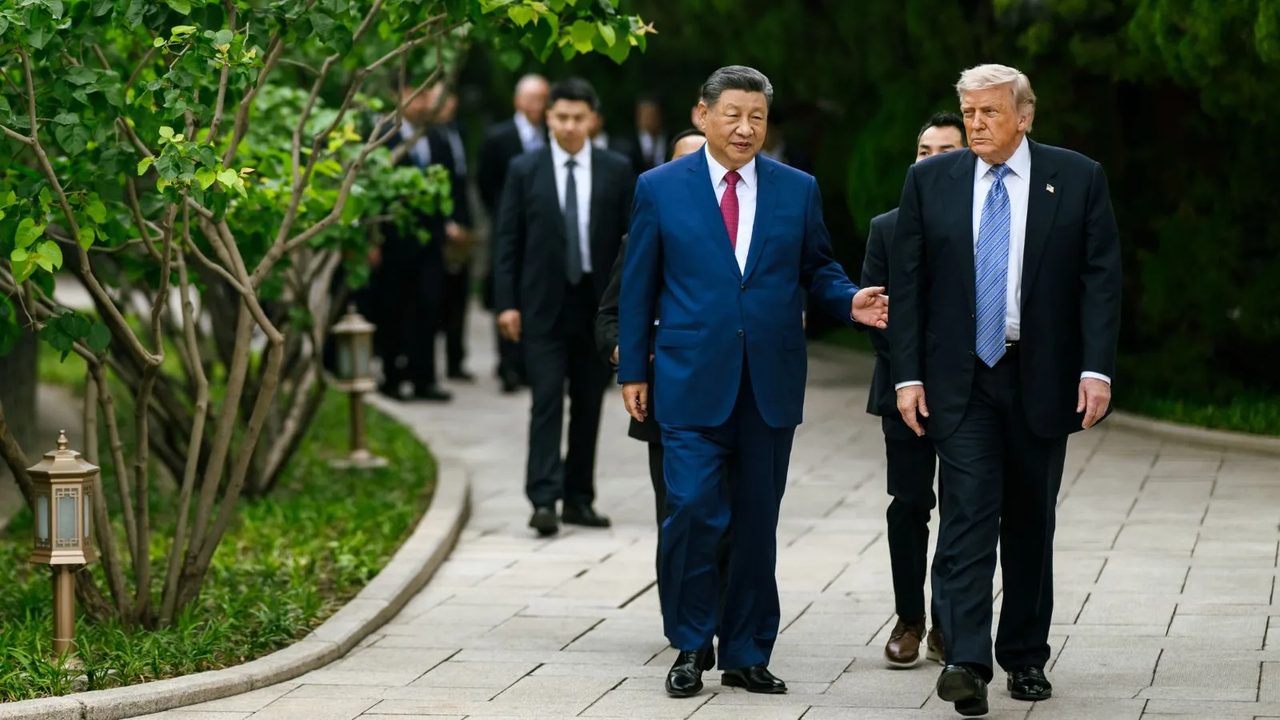
Navigating the Great-Power Game of AI: India's Strategic Dilemma
The evolving dynamics of artificial intelligence (AI) between the US and China present both opportunities and challenges for India. As these two powers engage in a dialogue to manage AI risks, India must navigate its own position amidst the…
Understanding the Foreign Contribution (Regulation) Act (FCRA) and Its Implications
The Foreign Contribution (Regulation) Act (FCRA) governs how Indian entities can receive foreign contributions. It aims to ensure transparency and accountability in foreign funding while allowing legitimate charitable activities. The Act is…

Dissolution of the Digital Communications Commission: Implications for Governance in Telecommunications
On September 19, 2026, the Government of India officially dissolved the Digital Communications Commission (DCC), a key inter-departmental body established in 1989 to oversee policy matters in telecommunications. The DCC was responsible for …
Direct Reporting of Child Abuse Content by Tech Companies to Indian Authorities
On September 22, 2026, Google announced that it would report content flagged as child sexual abuse material directly to Indian authorities, deviating from its previous practice of routing such reports through a U.S. non-profit organization.…
Revising the EPFO Wage Ceiling: A Step Forward, But Not Enough
The recent increase in the EPFO wage ceiling from ₹15,000 to ₹25,000 is a positive move towards expanding social security for workers, yet it falls short of addressing the broader issues of pension adequacy and compliance among employers. W…
Reform of Global Economic Governance through BRICS
The 18th BRICS Summit, held under India's presidency, emphasized the group's commitment to reforming global economic governance. The Delhi Declaration highlighted the importance of multilateral trade systems and cooperation on various econo…
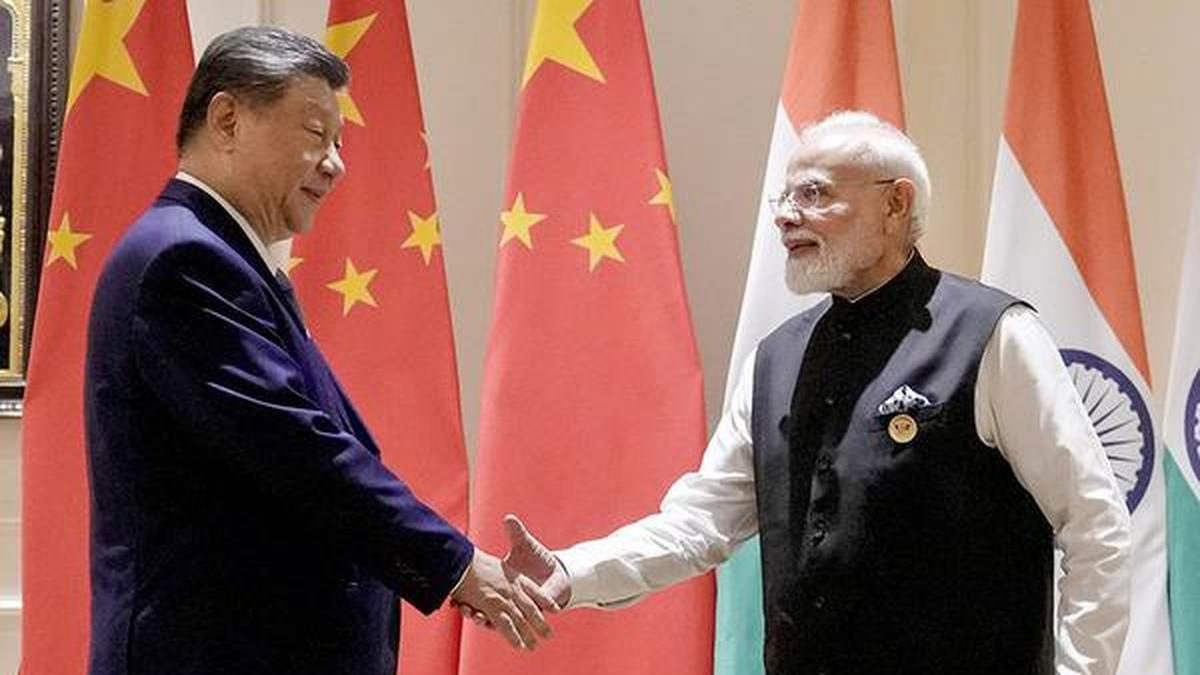
Navigating the India-China Trade Paradox: Between Self-Reliance and Structural Dependence
The editorial discusses the paradox of India's Atmanirbhar Bharat initiative, which aims for self-reliance in manufacturing while simultaneously deepening dependence on Chinese imports. Despite efforts to bolster domestic capabilities, Indi…
RBI's Forex Swap Facility and Its Impact on Foreign Currency Inflows
The Reserve Bank of India (RBI) reported that its special US dollar-rupee forex swap facility attracted $143.596 billion in foreign currency inflows by September 18, 2026. The majority of these inflows came from Foreign Currency Non-Residen…
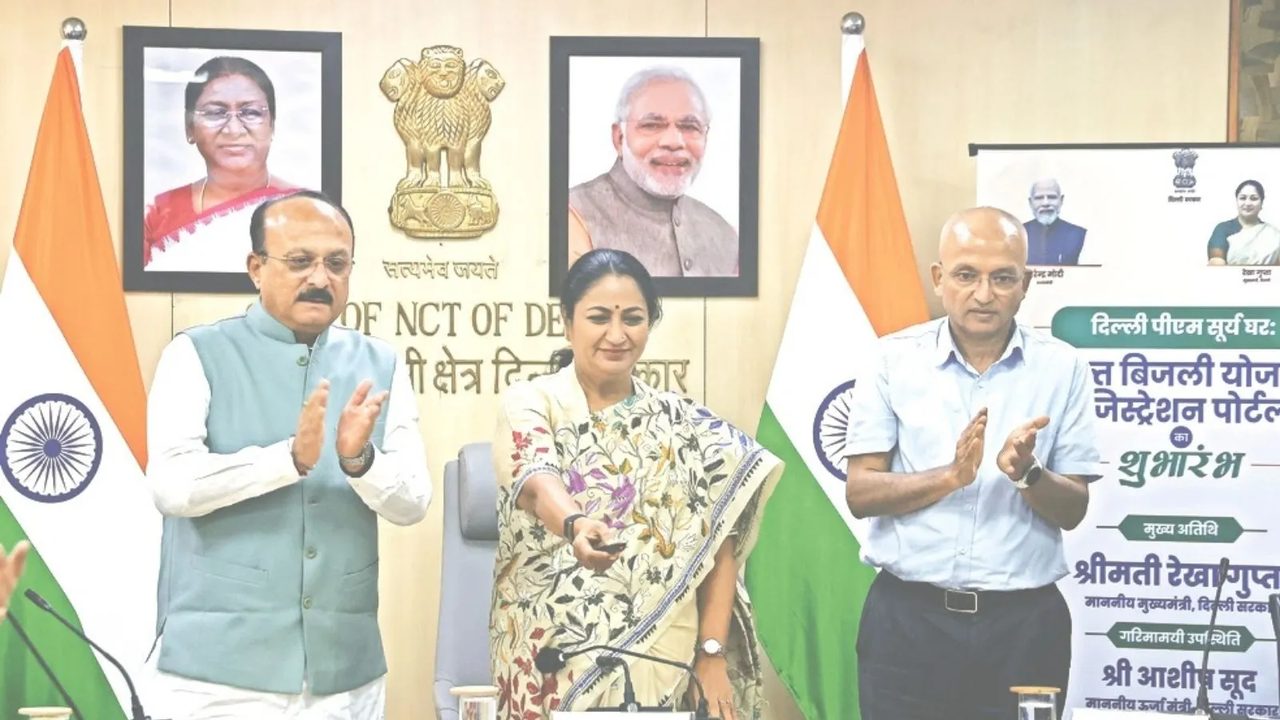
Rooftop Solar Subsidy Schemes and Their Impact on Renewable Energy Adoption
The Delhi government announced plans to provide free rooftop solar systems to over 2.3 lakh families as part of the 'Pradhan Mantri Surya Ghar: Muft Bijli Yojana'. Chief Minister Rekha Gupta launched a registration portal for this initiativ…
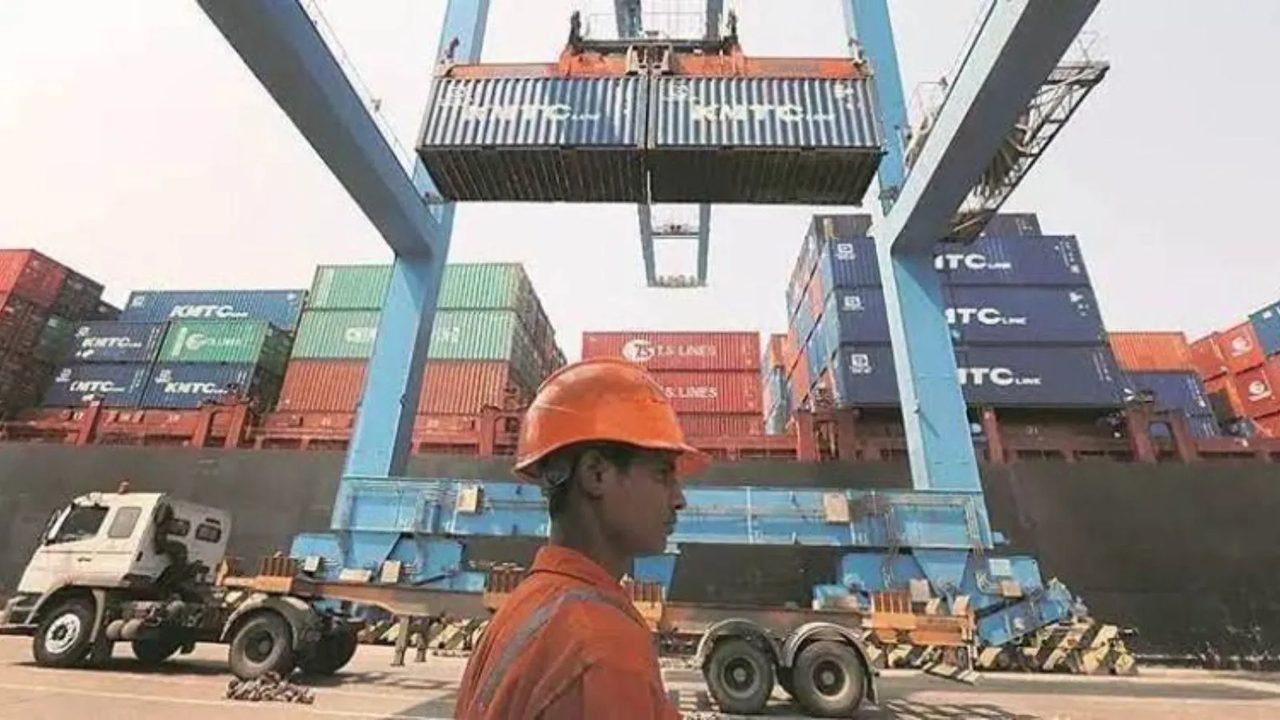
Amendment of Environmental Clearance Validity for Ports and Harbours
On September 22, 2026, the Indian government announced a significant amendment to the Environment Impact Assessment (EIA) notification of 2006, doubling the validity of environmental clearances for ports and harbours to a minimum of 20 year…
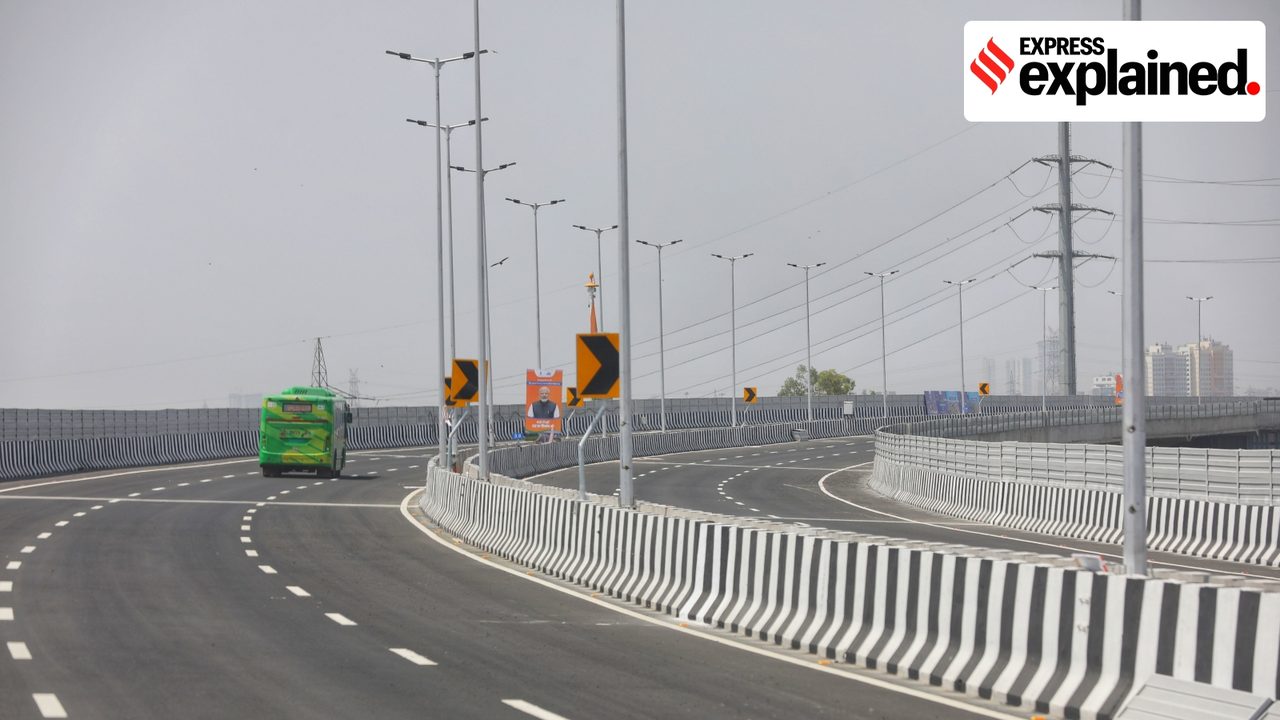
Development of High-Speed Corridors and National Highway Infrastructure
The National Highways Authority of India (NHAI) released comprehensive guidelines on 21 September 2026 for the planning and design of high-speed access-controlled national highways, aiming to establish uniform standards and enhance road saf…
How NewsPulse works
Daily themes auto-distilled from The Hindu and the Indian Express, normalised against the UPSC syllabus.
Every theme tagged by GS paper and syllabus topic so current affairs lands inside your static revision, not next to it.
Concept explainers attached to each card — definitions, related schemes, and historical context.
Linked practice questions, so every theme can be tested the same day you read it.
Multi-source merging when The Hindu, IE, and Mint cover the same story.
Frequently Asked Questions
How should I read current affairs for UPSC?
Read one newspaper (The Hindu or Indian Express) daily for 40 minutes, supplement with one monthly compilation, and file every story into the syllabus topic it belongs to. The act of mapping news to syllabus is what makes current affairs compound rather than disappear.
Which newspaper is best for UPSC current affairs?
Either The Hindu or the Indian Express is sufficient — you do not need both. Pick one based on what you can actually finish daily. Consistency beats source choice.
How does Sambodh IAS NewsPulse work?
NewsPulse auto-extracts daily themes from The Hindu and the Indian Express, normalises each theme into a concept card linked to the syllabus, and surfaces them in your revision queue. Each card includes a factual synopsis, key takeaways, Prelims relevance, Mains relevance, and concept explainers.
Is NewsPulse free?
Your first 30 cards are free — they stay readable forever, even after that. Unlimited reading for one year is ₹499. There is no subscription and nothing auto-renews.