Emerging Fungal Pathogens and the Impact of Climate Change on Human Health
What happened
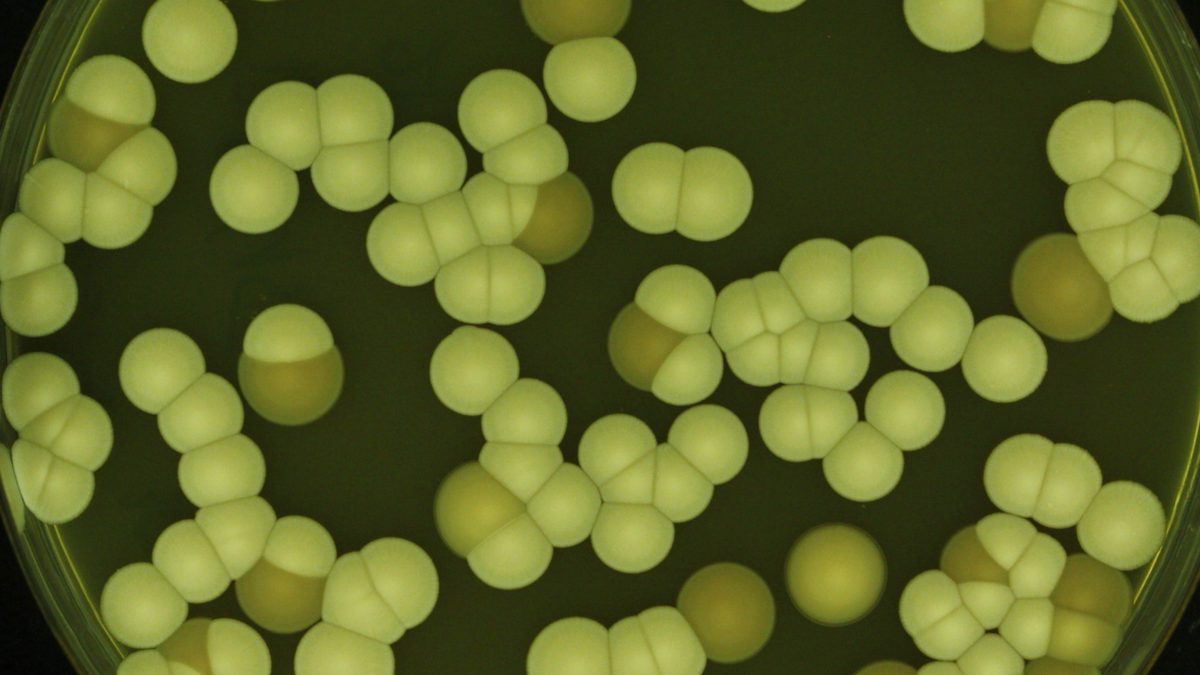
Recent research has highlighted the rise of fungal infections, particularly those caused by the multidrug-resistant pathogen Candida auris, which has a mortality rate of 30-40% among infected patients. This increase in pathogenicity is linked to global warming, which allows heat-tolerant fungi to thrive in human bodies. The Postgraduate Institute of Medical Education and Research (PGIMER) in Chandigarh has been storing clinical fungal isolates for over 25 years to aid in the identification and study of these pathogens.
Key takeaways
- Fungal infections are increasingly common and can lead to severe health complications, especially in immunocompromised individuals — [This highlights the urgent need for improved medical responses to fungal pathogens.]
- Candida auris is a multidrug-resistant fungus that has emerged as a significant threat in healthcare settings, with a high mortality rate — [This underscores the importance of understanding and combating antibiotic resistance in fungi.]
- Global warming is believed to contribute to the evolution of heat-tolerant fungi, which can survive in the human body — [This raises concerns about the intersection of climate change and public health.]
- PGIMER's repository of fungal isolates plays a crucial role in advancing research on fungal pathogens in India — [This demonstrates the importance of institutional support in addressing emerging health threats.]
- Approximately 20% of infections reported in hospitals are fungal, yet many facilities lack the infrastructure to identify these pathogens — [This indicates a significant gap in healthcare preparedness and response.]
Conceptual analysis
The emergence of fungal pathogens, particularly Candida auris, has raised alarms in the medical community due to their increasing prevalence and resistance to treatment. C. auris, first identified in Japan in 2009, has a high mortality rate and is predominantly found in healthcare settings, posing a significant risk to immunocompromised patients. The rise of these infections is closely linked to climate change, as global warming creates conditions that favor the survival of heat-tolerant fungi in human bodies. This phenomenon is encapsulated in the 'fungal infection — mammalian selection hypothesis,' which suggests that as environmental temperatures rise, fungi that can withstand higher temperatures are more likely to thrive and cause infections. Institutions like PGIMER have been proactive in addressing this issue by maintaining a repository of fungal isolates, which aids in research and helps clinicians identify and manage these pathogens effectively. The increasing rate of fungal infections, now accounting for about 20% of hospital infections, highlights the urgent need for enhanced diagnostic capabilities and treatment options in healthcare systems worldwide.
Concept explainers
A multidrug-resistant fungus that can cause severe infections, particularly in healthcare settings.
A group of fungi that cause skin infections, commonly referred to as dermatophytosis.
The ability of microorganisms to resist the effects of medications that once successfully treated them.
A theory suggesting that global warming allows heat-tolerant fungi to survive in the human body, leading to increased infections.
A state in which the immune system's ability to fight infectious disease is compromised or entirely absent.
Syllabus tags
Source: The Hindu, 15 Sep 2026
Read today's current affairs
Sign up free for daily UPSC concept cards, Prelims practice, and Mains evaluation.