E20 Fuel Blend: Economic Implications and Consumer Impact
What happened
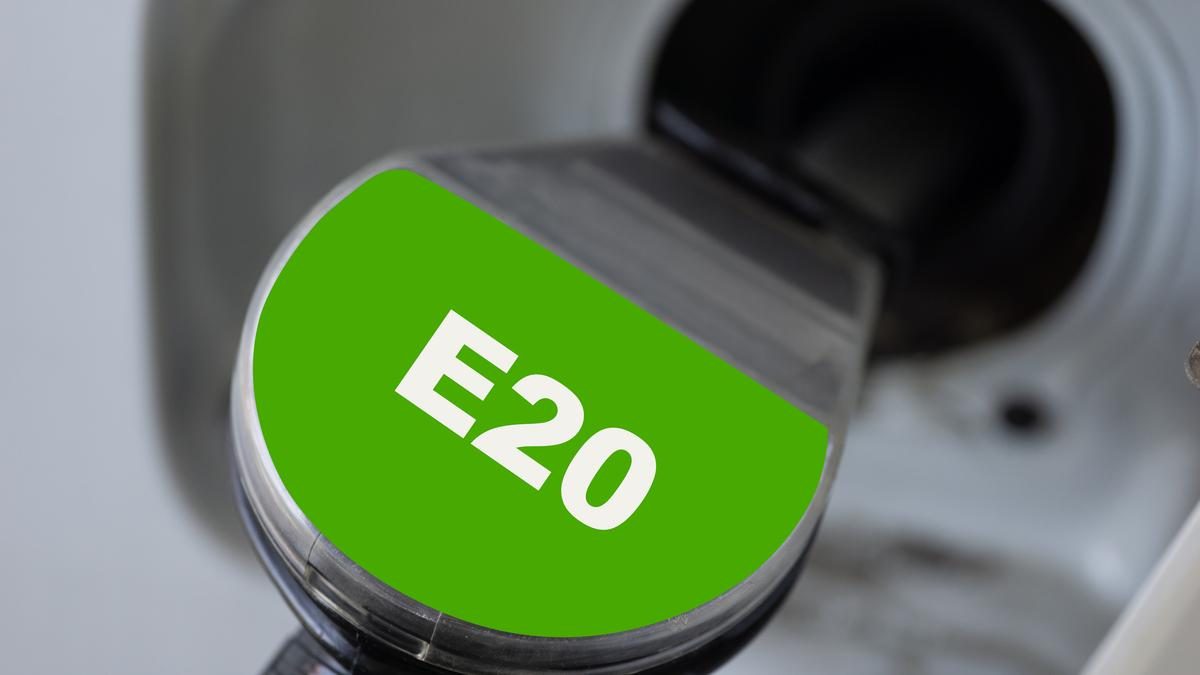
India introduced E20 petrol, consisting of 20% ethanol and 80% gasoline, on February 6, 2023, through public sector oil marketing companies. The government claims that E20 will lead to consumer savings, lower carbon emissions, and foreign exchange savings. However, concerns have arisen regarding reduced fuel economy and potential engine damage, particularly for older vehicles, as acknowledged by the Road Transport and Highways Minister.
Key takeaways
- E20 petrol consists of 20% ethanol and 80% gasoline — This blend aims to reduce reliance on crude oil and lower costs, but its actual benefits are debated.
- The introduction of E20 is linked to rising crude oil prices and aims to provide economic relief — Understanding the dynamics of fuel pricing is crucial for assessing the impact on consumers.
- Claims of savings from E20 are challenged by evidence of reduced mileage — This highlights the importance of empirical data in evaluating government policies.
- Households reportedly spent an additional ₹88,234 crore due to mileage loss from E20 — This underscores the potential economic burden on consumers, raising questions about the effectiveness of the policy.
- The government must consider alternative measures to control fuel prices — This reflects the need for comprehensive strategies in energy policy.
Conceptual analysis
The introduction of E20 petrol in India represents a significant shift in the country's energy policy, aiming to reduce dependency on crude oil and promote the use of renewable energy sources like ethanol. E20, which consists of 20% ethanol and 80% gasoline, is touted by the government for its potential to lower fuel costs, reduce carbon emissions, and save foreign exchange. However, empirical evidence suggests that the blend may lead to reduced fuel economy, particularly for older vehicles, as acknowledged by the Road Transport and Highways Minister. The loss in mileage, estimated between 2% to 6%, can result in higher costs for consumers, negating the intended savings. Reports indicate that households have incurred additional expenses totaling ₹88,234 crore over three years due to these mileage losses. This situation raises critical questions about the effectiveness of the E20 initiative and the need for alternative strategies to manage fuel prices and ensure consumer welfare in the face of rising crude oil costs. As India navigates its energy transition, the balance between promoting renewable energy and protecting consumer interests will be pivotal.
Concept explainers
A fuel blend consisting of 20% ethanol and 80% gasoline, aimed at reducing reliance on crude oil.
A renewable fuel made from plant materials, used as an additive in gasoline to reduce emissions.
The distance a vehicle can travel per unit of fuel, typically measured in kilometers per liter.
Reduction in the amount of foreign currency needed to purchase imported goods, such as crude oil.
Syllabus tags
Source: The Hindu, 17 Sep 2026
Read today's current affairs
Sign up free for daily UPSC concept cards, Prelims practice, and Mains evaluation.