Harnessing Rattlesnake Venom Resistance for Antivenom Development
What happened
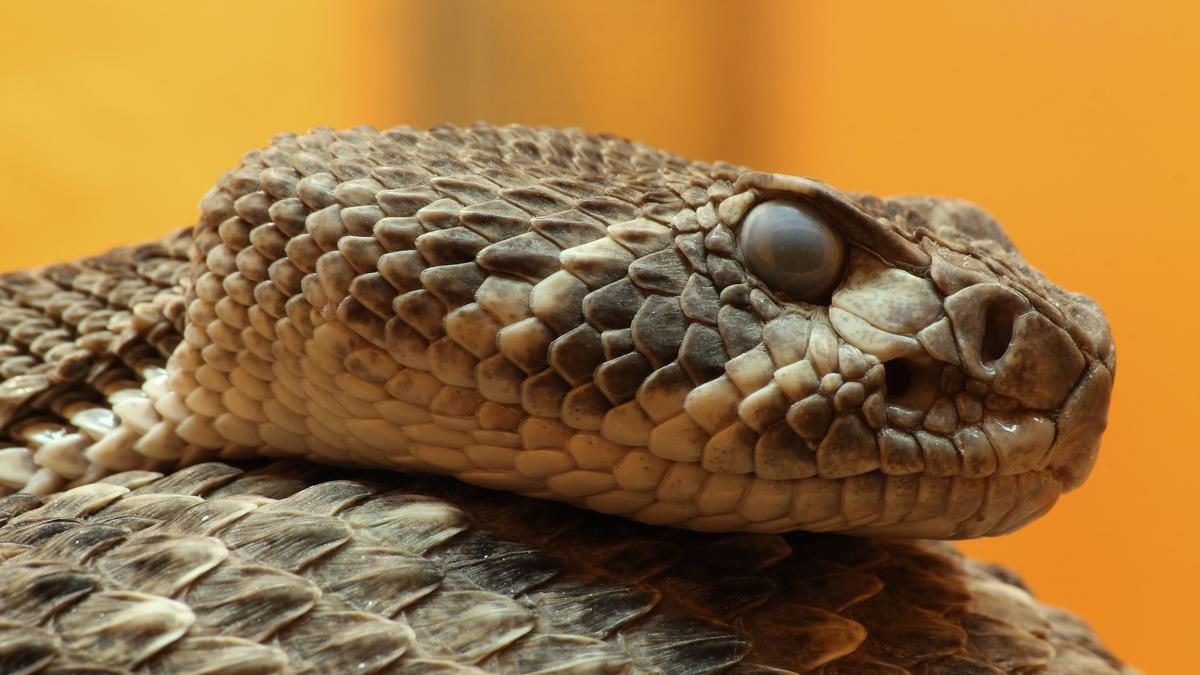
Researchers at the University of Maryland have discovered that specific proteins from the western diamondback rattlesnake (Crotalus atrox) can neutralize the lethality of rattlesnake venom in mice, showing approximately ten times the potency of commercial antivenom. This breakthrough, published in the Proceedings of the National Academy of Sciences, builds on previous findings about venom resistance in snakes and the role of FETUA proteins in blocking venom toxins.
Key takeaways
- Rattlesnakes possess natural immunity to their own venom — [This illustrates the concept of evolutionary adaptations in species that enhance survival against their own biological weapons.]
- FETUA proteins identified in rattlesnakes act as toxin sponges, neutralizing venom components — [Understanding these proteins can lead to innovative medical treatments and antivenom development.]
- The study demonstrated that specific combinations of FETUA proteins can block venom effects in multiple snake species — [This highlights the potential for cross-species applications in antivenom therapies.]
- Commercial antivenoms may be less effective compared to the newly identified FETUA proteins — [This raises questions about current antivenom production and the need for research into more effective alternatives.]
Conceptual analysis
The study of rattlesnake venom resistance presents a fascinating intersection of evolutionary biology and medical science. Rattlesnakes, particularly the western diamondback, have evolved specific proteins known as FETUA proteins that act as 'toxin sponges', effectively neutralizing the harmful effects of their own venom. This phenomenon is not only a testament to the adaptability of species but also offers a promising avenue for developing more effective antivenoms. The recent research led by Dr. Sean B. Carroll has shown that combinations of these proteins can significantly outperform existing commercial antivenoms in neutralizing venom lethality in experimental models. This discovery could revolutionize how we approach antivenom production, potentially leading to treatments that are more effective against a broader range of snake venoms. As the research progresses, it may pave the way for new therapeutic strategies that leverage the natural defenses of snakes against their own venoms, ultimately improving outcomes for snakebite victims worldwide.
Concept explainers
A family of serum proteins found in certain snakes that inhibit the effects of venom toxins.
A class of enzymes that are common in snake venoms, responsible for tissue damage and hemorrhage.
A treatment for venomous bites or stings, made from antibodies that neutralize venom.
A protein that binds to venom components, preventing them from causing harm.
Syllabus tags
Source: The Hindu, 17 Sep 2026
Read today's current affairs
Sign up free for daily UPSC concept cards, Prelims practice, and Mains evaluation.