Navigating the India-China Trade Paradox: Between Self-Reliance and Structural Dependence
Main theme
The editorial discusses the paradox of India's Atmanirbhar Bharat initiative, which aims for self-reliance in manufacturing while simultaneously deepening dependence on Chinese imports. Despite efforts to bolster domestic capabilities, India's trade dynamics reveal a troubling structural imbalance that undermines the very goals of self-reliance.
Key takeaways
- India's trade deficit with China has widened significantly, with imports rising sharply while exports stagnate.
- The composition of imports indicates a heavy reliance on intermediate and capital goods from China, reflecting deeper structural weaknesses in India's manufacturing sector.
- Despite initiatives like Make in India and the Production-Linked Incentive scheme, India's import basket has become more concentrated in a few electronics-related categories.
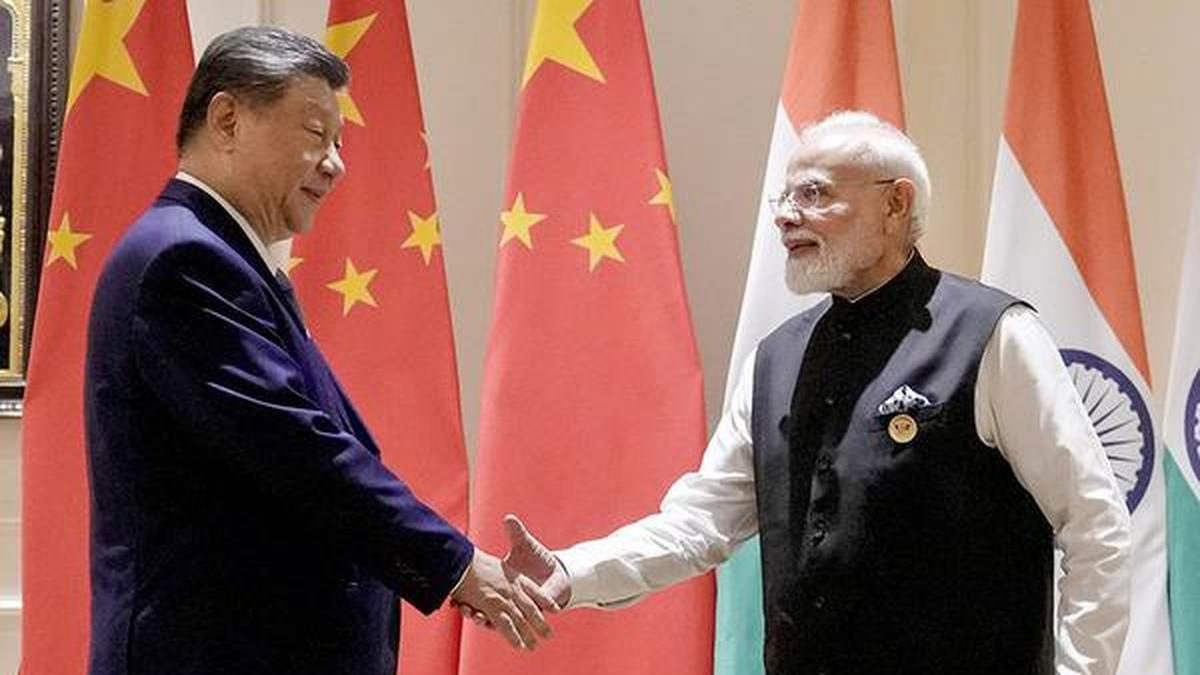
- The recent Xi-Modi meeting highlighted the lack of substantial economic progress, with both countries struggling to revitalize their economic dialogue amidst growing technological restrictions from China.
- China's export controls on critical technologies are impacting Indian industries, raising concerns about India's ability to compete in key sectors.
Conceptual analysis
The op-eds highlight the complexities of India-China trade relations in the context of India's Atmanirbhar Bharat initiative. Despite efforts to enhance domestic manufacturing and reduce reliance on China, the trade deficit has widened, with imports from China increasing significantly while exports have stagnated. The composition of these imports reveals a deep dependence on intermediate goods, which poses challenges to India's manufacturing ecosystem. The recent meeting between Prime Minister Modi and President Xi Jinping, while diplomatically significant, failed to yield substantial economic outcomes, as both nations grapple with internal and external pressures that hinder a reset in their economic ties. China's tightening of technology exports further complicates India's ambitions, raising concerns about future competitiveness.
Prelims relevance
The trade dynamics between India and China, particularly the structural trade imbalance and the composition of imports, are critical for understanding India's economic landscape. Key statistics include a trade deficit of $167.6 billion in 2025 and a 71% increase in imports from China from 2021 to 2025.
Mains relevance
This debate is relevant to GS Paper 3, particularly in the context of economic development and international trade. Aspirants should explore the implications of trade imbalances and technological dependencies on India's economic strategies and self-reliance initiatives.
Concept explainers
A government initiative launched in 2020 aimed at promoting self-reliance in India by boosting domestic manufacturing and reducing dependency on imports.
A situation where a country's imports exceed its exports, leading to a negative balance of trade.
Regulations imposed by a country to restrict the export of certain goods or technologies, often for national security or economic reasons.
Syllabus tags
Source: The Hindu + Indian Express, 21 Sep 2026
Read today's current affairs
Sign up free for daily UPSC concept cards, Prelims practice, and Mains evaluation.